Long before designer perfumes reached Indian shelves, we had attar. Tiny glass vials, a single dab behind the ear, and a fragrance that stayed with you all day.
Today, attar often gets dismissed as old-fashioned. But ask anyone who wears it regularly and they’ll tell you the same thing: a good attar can outlast most perfumes on your shelf, at a fraction of the price.
So what’s the secret? Let’s start with what attar actually is.
Table of Contents
What Is Attar?
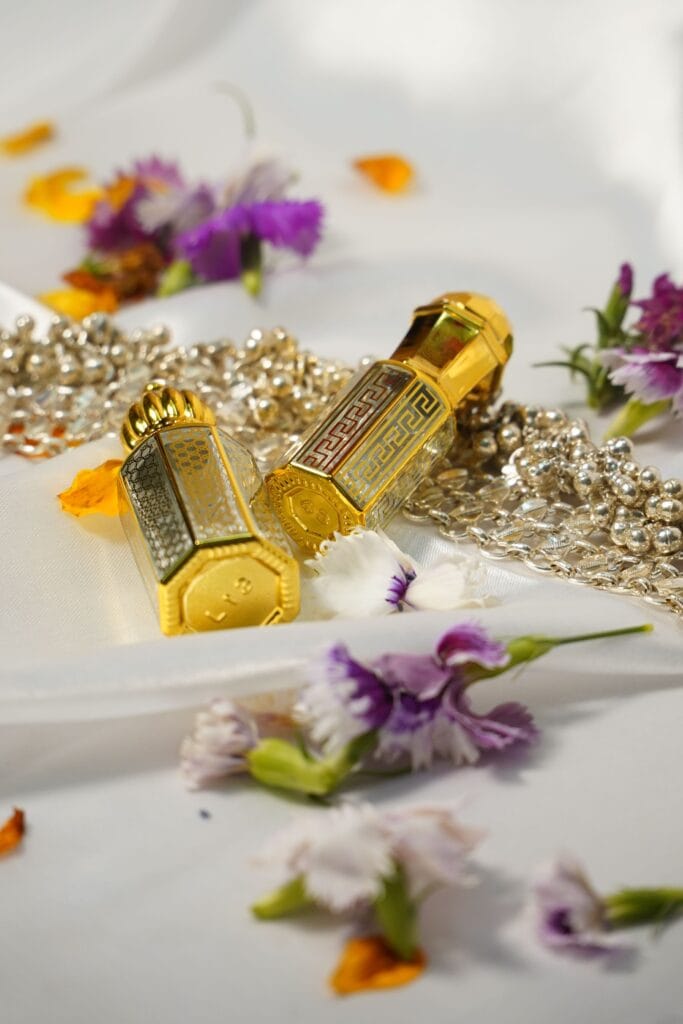
Attar (also called ittar) is a concentrated, oil-based fragrance with no alcohol. The word comes from the Persian and Arabic words for perfume. While modern perfumes dissolve fragrance in alcohol and spray it on, attar is applied directly to the skin as an oil, usually with a glass dipstick or roll-on.
Attars can be made from flowers, herbs, spices, woods and even baked earth. Some are made from a single ingredient, like rose or jasmine. Others are complex blends of dozens of ingredients.
How Traditional Attar Is Made
The heart of Indian attar-making is Kannauj, in Uttar Pradesh, often called the perfume capital of India. Many makers there still use a centuries-old method called deg-bhapka.
Here’s how it works, in simple terms:
- Fresh flowers or other raw materials are placed in a large copper still (the deg) with water.
- The still is heated slowly over a wood or cow-dung fire.
- The fragrant steam travels through a bamboo pipe into a receiving vessel (the bhapka), which holds a base oil, traditionally sandalwood oil.
- The base oil slowly absorbs the fragrance over many days, sometimes weeks.
The result is a rich, natural perfume oil. It’s slow, skilled work, which is why pure attars, especially rose, can be very expensive.
The Attar Secret: Why Attars Last Longer
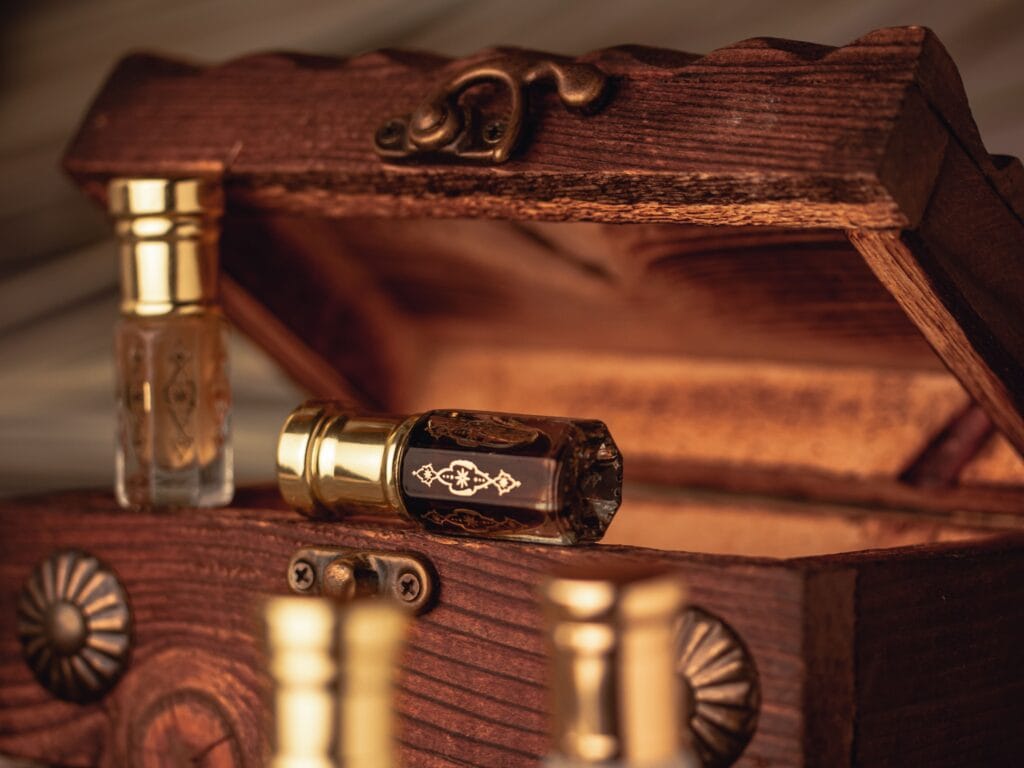
No alcohol to evaporate. Most perfumes are mostly alcohol. When you spray, the alcohol flashes off within seconds, carrying the top notes up into the air with it. Attar has no alcohol, so nothing rushes away. The oil sits on your skin and releases its fragrance slowly.
Higher concentration. Attars are highly concentrated. A tiny dab contains a lot of fragrance, which is why one small vial lasts for months.
A natural fixative base. Traditional attars use sandalwood oil as the base. Sandalwood is itself a long-lasting, woody note, and it anchors the lighter floral notes so they don’t fade quickly.
It works with your skin. Oil bonds well with the natural oils on your skin, especially in Indian humidity, where alcohol-based perfumes often burn off fast.
The Honest Trade-Off
Attars last longer, but they usually project less. Because there’s no alcohol to lift the scent into the air, attar stays close to your body. People will smell it when they’re near you, not from across the room.
For many people, that’s exactly the appeal: a personal, intimate scent that lasts all day without overwhelming anyone. If you want to understand this difference better, read [What Is Sillage? And Why Projection Isn’t the Same Thing].
Attar vs Perfume at a Glance
| Attar | Perfume (EDP/EDT) | |
|---|---|---|
| Base | Oil | Alcohol |
| How you apply it | Dab or roll on skin | Spray |
| Longevity | Very long, often all day | Varies by concentration |
| Projection | Close to the skin | Moderate to strong |
| Best for | Office, daily wear, close settings | Events, evenings, making an entrance |
| Price for good quality | Affordable blends to very expensive pure oils | Budget to luxury |
Want to compare concentrations among perfumes too? Read EDT vs EDP.
7 Indian Attars Worth Trying
Traditionally, attars are chosen by season. Cooling scents are worn in summer, and warming ones in winter. Prices below are approximate for 10ml and vary a lot between blends and pure oils.
For summer
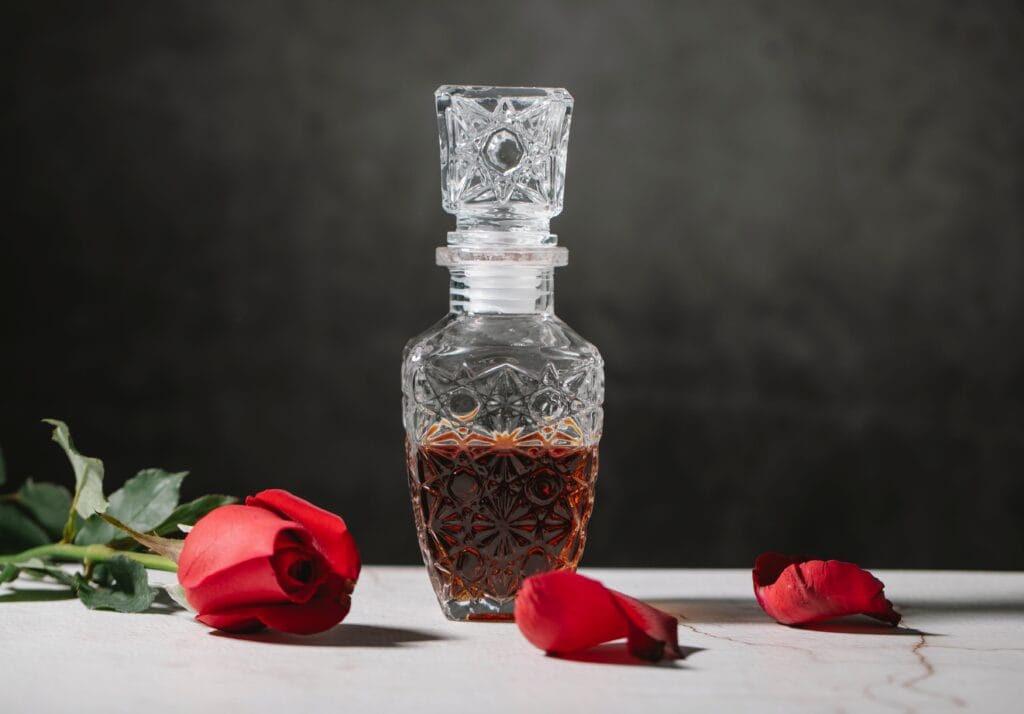
1. Gulab (Rose) Attar — approx. ₹300–₹1,500 for blends The most classic attar of all, and a great first pick. Soft, romantic and easy to wear anywhere. Pure Ruh Gulab is a different league: it takes thousands of kilos of petals to make, and the finest versions cost tens of thousands of rupees per 10ml.
2. Mogra (Motia) Attar — approx. ₹300–₹1,200 Rich, creamy jasmine. Perfect for weddings, festivals and summer evenings. It pairs beautifully with gajra and traditional wear.
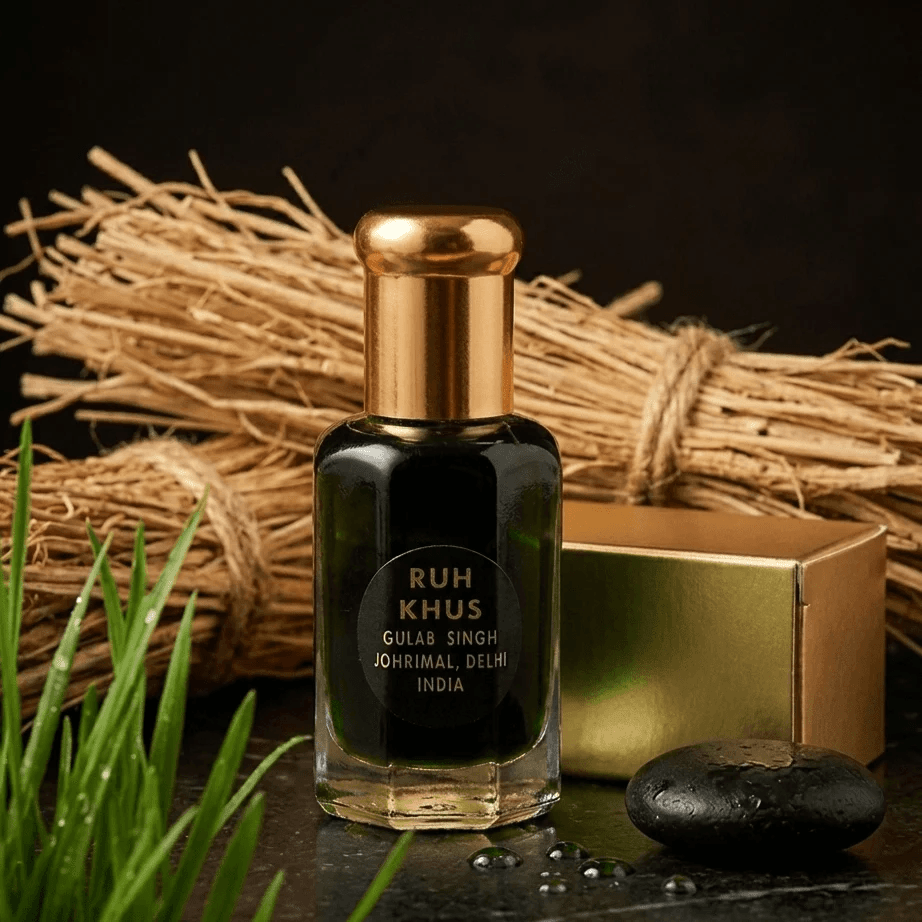
3. Khus (Vetiver) Attar — approx. ₹300–₹1,000 Earthy, green and cooling, like the khus curtains of old Indian summers. A great unisex choice for hot days and the office.
For monsoon
4. Mitti (Gil) Attar — approx. ₹400–₹1,500 The smell of rain on dry earth, bottled. Mitti attar is made by distilling baked clay, and Kannauj is famous for it. Nothing else in perfumery smells quite like it.
For winter
5. Shamama Attar — approx. ₹500–₹2,000 A warm, complex blend of herbs, spices, resins and woods, slowly aged. Deep, smoky and comforting. A real connoisseur’s attar.
6. Hina Attar — approx. ₹500–₹1,500 Warm, spicy and earthy, traditionally made from a blend of herbs, spices and flowers. A classic cold-weather attar with a vintage feel.
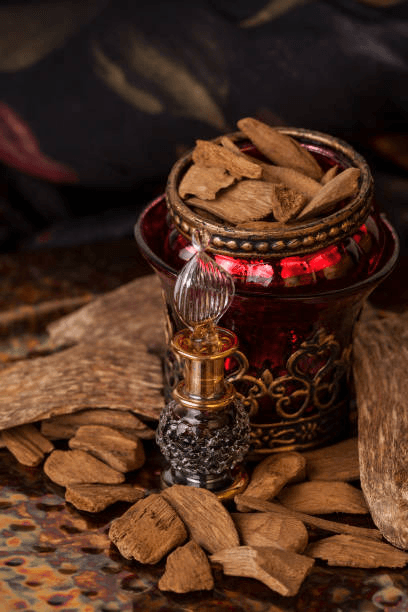
7. Oud Attar — price varies widely Dark, woody and intense. Oud oils range from affordable blends to some of the most expensive fragrance materials in the world. Start with a blended oud before splurging. New to oud? Read What Is Oud.
Where to buy
- Kannauj makers are the traditional source for gulab, mitti, khus and other attars. Many now sell online, and you can find them in Amazon or Flipkart.
- Gulab Singh Johrimal, in Old Delhi’s Dariba Kalan, has been making attars since 1816. Its blends start around ₹100 for 10ml, while its famous Ruh Gulab sits at the top of the range. They also have an instagram page, and a website from which you can order online.
- Brands like Ajmal, Naseem and some other middle eastern brands also have a huge collection of attars which are easily available in their stores or online.
How to Wear Attar
- Use very little. One or two small dabs are enough. Attar is concentrated.
- Apply to pulse points: behind the ears, the sides of the neck, inner wrists and inner elbows.
- Don’t rub it in. Just as with perfume, let it settle naturally. Here’s why: The Wrist-Rubbing Lie
- Try it on cotton. A dab on a cotton handkerchief or kurta collar can hold scent for days. Avoid silk and light fabrics, since oil can stain.
- Layer it with perfume. Apply attar first as a base, then spray a light perfume on top. The attar anchors the perfume and helps it last longer.
How to Buy a Good Attar
- Know what you’re buying. Many cheap “attars” are synthetic perfume oils, not traditional distillations. They can still smell lovely and last well, but they shouldn’t cost the same as pure attar.
- Check the base. Traditional attars use sandalwood oil. Cheaper ones often use liquid paraffin or other carrier oils.
- Buy small first. Start with a 3ml or 6ml vial before committing to a bigger bottle.
- Patch test. Concentrated oils can irritate sensitive skin. Try a small dab on your inner arm first.
Frequently Asked Questions
Do attars last longer than perfume?
Usually, yes. Attars are oil-based with no alcohol, so they evaporate slowly and often last all day. They do stay closer to the skin than most sprayed perfumes.
Is attar alcohol-free?
Traditional attar is alcohol-free. That’s one reason many people prefer it for prayer and religious occasions.
Which attar is best for beginners?
Gulab (rose) or mogra (jasmine) are the easiest to start with. They’re familiar, pleasant and easy to wear daily.
Can men and women both wear attar?
Yes. Most attars are unisex. Khus, oud, shamama and mitti are especially popular with men, while gulab and mogra are popular with everyone.
How long does an attar last in the bottle?
Stored in a cool, dark place, a good attar can last many years.