Table of Contents
Your friend posts a video raving about a perfume ,”this lasted 12 hours, everyone complimented me, smells like a million bucks.” You buy it. You spray it. And… it smells nothing like what you imagined. Sometimes it’s flat. Sometimes it’s almost sour. Sometimes it just disappears in twenty minutes.
Before you assume you got a fake bottle or a bad batch, here’s the secret nobody tells you: the perfume isn’t broken, your skin is just different.
Perfume Isn’t a Fixed Smell
We tend to think of perfume like a song, the same notes, every time, for everyone. But perfume is actually more like a recipe that reacts with whatever ingredients you bring to it. And the “ingredient” you’re bringing is your skin.
Your skin has its own pH level, oil production, temperature, and even bacteria and all of these interact with the oils in a fragrance the moment it touches you. Two people can spray the exact same perfume and walk away smelling like two different scents entirely.
The Science Behind It (Without the Jargon)
A few things determine how a fragrance behaves on your skin specifically.
Skin pH affects how fragrance molecules evaporate and blend. Slightly acidic skin can make certain notes (especially florals) brighter, while more alkaline skin can mute them or bring out deeper, muskier tones.
Oil levels matter more than most people realize. Oilier skin holds onto fragrance molecules longer which is why the same perfume can last 8 hours on one person and barely 3 on another. It can also make a scent feel “heavier” or richer than it did on someone who recommended it.
Body heat acts like a diffuser. Warmer skin pushes fragrance molecules into the air faster, which intensifies the scent, sometimes in a good way, sometimes making certain notes (like patchouli or certain synthetic musks) feel overpowering.
Diet and lifestyle even play a small role. What you eat, whether you smoke, and certain medications can subtly shift your natural skin scent, which then blends with the perfume.
Why “Smells Amazing on Her” Doesn’t Mean “Will Smell Amazing on You”
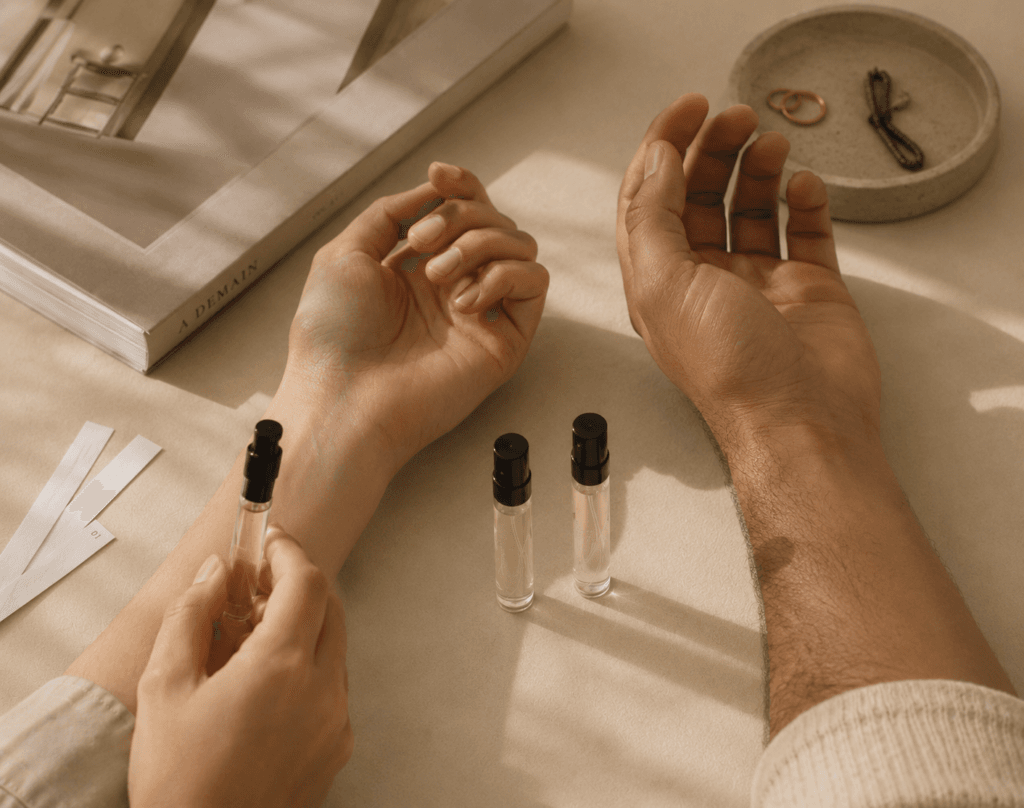
This is the part that trips up most people, especially when buying based on a video or a friend’s recommendation. The person in the video isn’t lying about how it smells on them. But fragrance notes don’t sit on top of skin like a sticker. They blend into it.
A perfume with strong vanilla and amber notes might smell warm and cozy on someone with naturally oilier, warmer skin and turn slightly sharp or “off” on someone with drier, cooler skin, where the same notes don’t get the chance to soften and blend the way they’re supposed to.
This is also why two bottles from the same brand, bought at different times, can sometimes feel slightly different as skin chemistry changes with seasons, hormones, even stress levels.
Can You Stop Smelling Your Own Perfume?
Sometimes a perfume isn’t actually disappearing from your skin, you’ve simply stopped noticing it. This is known as nose blindness or olfactory fatigue.
When you’re exposed to the same scent for an extended period, your brain begins to filter it out so it can focus on new smells in your environment. As a result, you may think your fragrance has completely faded, while the people around you can still smell it perfectly well.
This is especially common with musks, ambroxan-based fragrances, and certain woody notes. If you find yourself constantly reapplying perfume because you can’t smell it anymore, ask a friend for their opinion before assuming it has poor performance.
Not every fragrance that seems weak is actually weak — sometimes your nose has simply become accustomed to it.
So How Do You Actually Know If a Perfume Will Suit You?
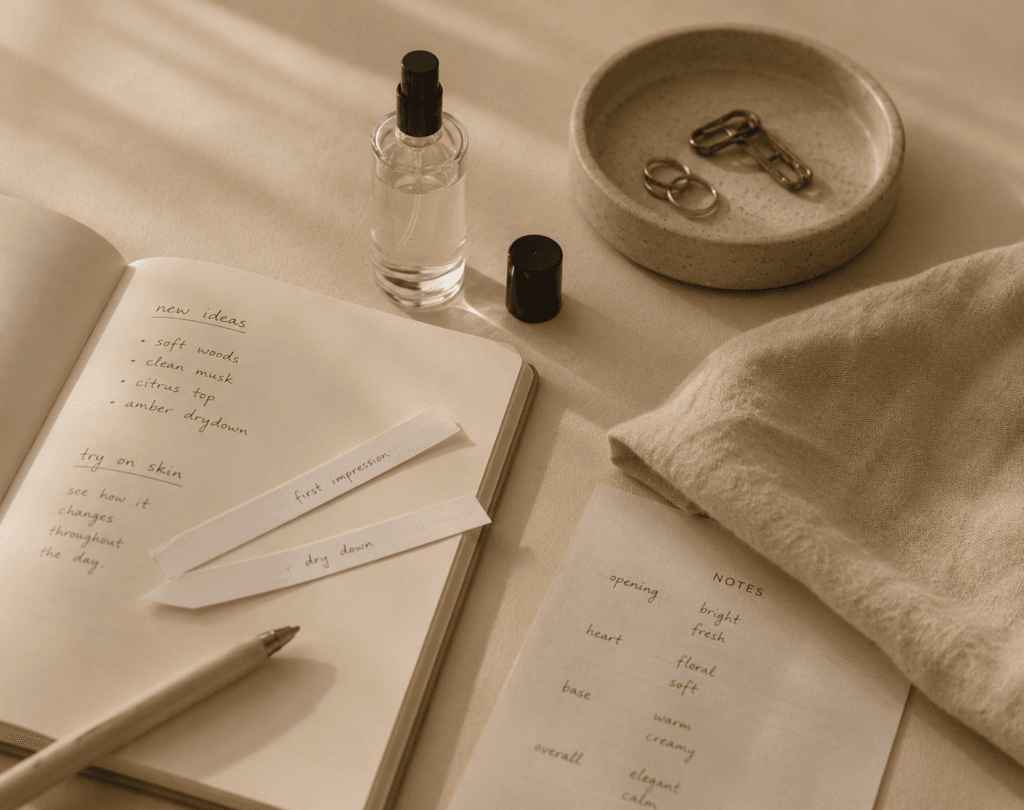
The honest answer: you have to test it on your own skin, not just smell it from the bottle or trust a video. A few practical tips:
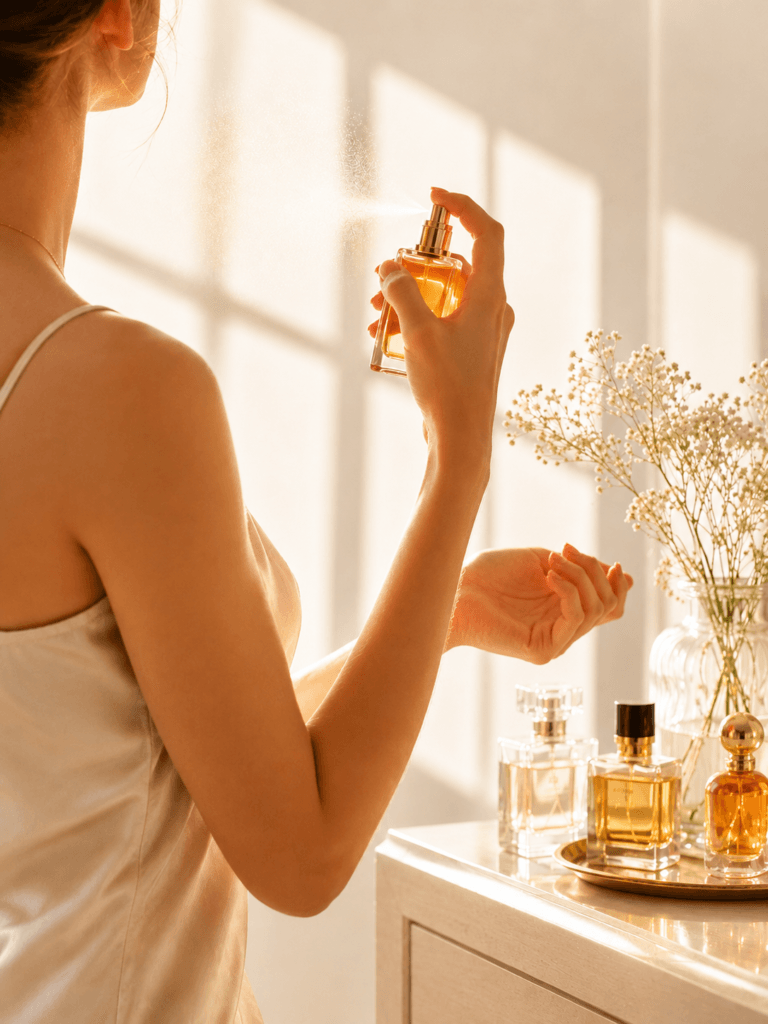
Spray it on your wrist or inner elbow and wait at least 15-20 minutes before judging it. The first impression (called the “top note”) is often very different from how a fragrance settles in.
Try it on a slightly humid or warmer day if possible — your skin’s natural oils and temperature will give you a more accurate read of how it’ll behave in real wear conditions.
Don’t dismiss a fragrance after one bad experience. If you tried it during a particularly dry week, or right after a shower with a different soap, your skin chemistry that day might not be representative.
The Real Takeaway
A perfume “not working” on you usually has nothing to do with the perfume’s quality — and everything to do with the beautiful, slightly chaotic chemistry happening on your own skin. That’s not a flaw. It’s actually what makes fragrance personal. The same bottle that didn’t impress you might become someone else’s signature scent — and the one that gets a “wow, what are you wearing?” from everyone you meet might be one that barely registers on someone else.
That’s why the best perfume isn’t necessarily the one trending on social media or getting thousands of rave reviews. It’s the one that works with your unique skin chemistry and makes you feel confident every time you wear it.
Frequently asked questions
Why does perfume smell different on different people?
Perfume interacts with each person’s unique skin chemistry, including skin oils, pH levels, body temperature, and natural scent. As a result, the same fragrance can smell slightly different from one person to another.
Can skin type affect how long a perfume lasts?
Yes. Fragrances generally last longer on well-moisturized or oilier skin because fragrance molecules have more to cling to. Dry skin may cause a perfume to fade more quickly.
Why can’t I smell my perfume after a few hours?
You may be experiencing nose blindness, also known as olfactory fatigue. Your brain becomes accustomed to a scent and stops actively noticing it, even though others may still be able to smell it.
Does body temperature affect fragrance performance?
Yes. Warmer skin can make fragrance molecules evaporate faster, often increasing projection and intensity. Cooler skin may make a fragrance smell softer and develop more slowly.
Should I test a perfume on my skin before buying it?
Absolutely. A fragrance can smell very different on your skin than it does on a test strip or on someone else. Wearing it for a few hours is the best way to determine whether it suits you.